
Dr Chong Wai KwongConsultant DermatologistsMBBS (Singapore), MRCP (UK), FRCP (Edinburgh), Dip Ven (London), FAMS (Dermatology)
Eczema, also known as dermatitis, is a group of common skin conditions that can cause dry, itchy and red skin. Different types of eczema tend to affect different areas of the body, and also have different triggers. Identifying the specific type of eczema can help guide appropriate treatment.
If you are experiencing ongoing skin symptoms, learning more about the various types of eczema can help you better understand what may be affecting your skin and provide insight into the next steps you can take.
If you are experiencing ongoing skin symptoms, learning more about the various types of eczema can help you better understand what may be affecting your skin and provide insight into the next steps you can take.
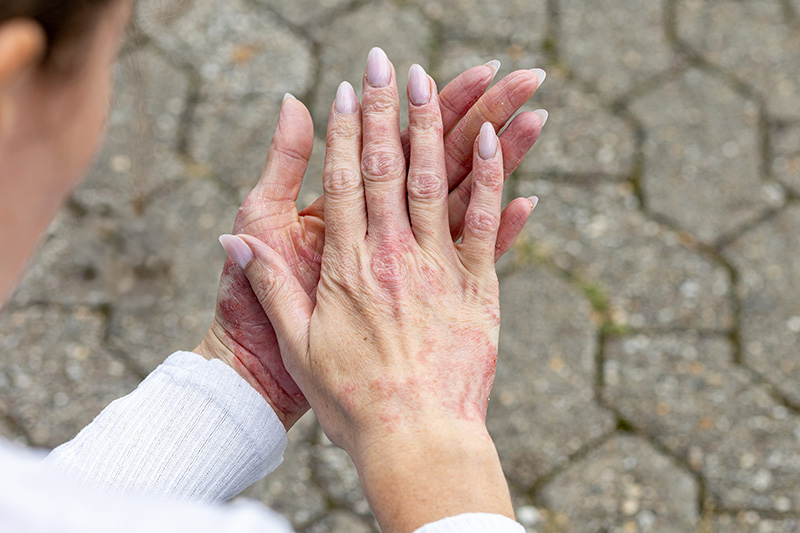
Why Knowing Your Type of Eczema Makes a Difference
Different types of eczema can vary in their causes, triggers, patterns of flare-ups and the areas of skin they commonly affect. For example, some forms are linked to allergies or irritants, while others may be influenced by genetics, environmental factors or repeated skin contact. Because of these differences, treatments that work well for one type of eczema may be less effective for another. Identifying the specific type helps guide more appropriate treatment choices, reduces unnecessary trial-and-error and supports better long-term control of symptoms.
1. Atopic Dermatitis (Atopic Eczema)
Atopic dermatitis is the most common type of eczema and often starts in childhood. The condition tends to follow a relapsing pattern, with periods of flare-ups and improvement even during adulthood. When atopic dermatitis flares, the skin may become very itchy, red and dry, which naturally leads to scratching. This scratching can cause broken skin, sleep disturbance and secondary infections.
Atopic dermatitis is commonly associated with other allergic conditions such as asthma or allergic rhinitis, and many individuals may notice that they have a family history of these conditions.
Atopic dermatitis is commonly associated with other allergic conditions such as asthma or allergic rhinitis, and many individuals may notice that they have a family history of these conditions.
2. Contact Dermatitis
Contact dermatitis is a form of eczema that develops when the skin reacts to a specific substance. The rash usually appears only on areas that have come into direct contact with the trigger. There are two main types, each with different causes.
- Irritant Contact Dermatitis: This type occurs when the skin is damaged by repeated or prolonged exposure to irritants such as soaps, detergents or cleaning chemicals.
- Allergic Contact Dermatitis: This form is caused by an allergic reaction to substances such as nickel, fragrances or certain plants like poison ivy. The reaction may develop hours or days after exposure.
3. Dyshidrotic Eczema (Pompholyx)
Dyshidrotic eczema is a distinct form of eczema characterised by the sudden appearance of small, deep-seated blisters on the palms, sides of the fingers and sometimes the soles of the feet. These blisters are often intensely itchy and may be triggered by factors such as stress, excessive sweating, prolonged moisture exposure or contact with certain metals, including nickel or cobalt.
As the blisters dry and heal, the affected skin can become very dry and scaly. Cracks or painful fissures may develop, taking several weeks to resolve.
As the blisters dry and heal, the affected skin can become very dry and scaly. Cracks or painful fissures may develop, taking several weeks to resolve.
4. Nummular (Discoid) Eczema
Nummular eczema, also known as discoid eczema, presents as round or coin-shaped patches of irritated skin. These patches most commonly appear on the legs or torso. They are often itchy, scaly and may ooze fluid or become crusted in more active stages.
This type of eczema is frequently triggered by skin injury, such as a burn, insect bite or abrasion, particularly in areas where the skin barrier has been disrupted.
This type of eczema is frequently triggered by skin injury, such as a burn, insect bite or abrasion, particularly in areas where the skin barrier has been disrupted.
5. Seborrhoeic Dermatitis
Seborrhoeic dermatitis is a common inflammatory skin condition that mainly affects areas with a high concentration of oil glands, such as the scalp, face, ears and upper chest. In adults, it often appears as persistent dandruff, redness and greasy or yellowish scales. In infants, the condition is known as cradle cap and usually resolves on its own without causing significant discomfort.
Seborrhoeic dermatitis is thought to be linked to increased oil production and an overgrowth of naturally occurring yeast on the skin.
Seborrhoeic dermatitis is thought to be linked to increased oil production and an overgrowth of naturally occurring yeast on the skin.
6. Stasis (Varicose) Dermatitis
Stasis dermatitis is a form of eczema that affects the lower legs and is linked to poor blood circulation. It commonly develops in people with chronic venous insufficiency. Symptoms may include swelling, itching, skin discolouration and thickened skin around the ankles.
If not managed appropriately, stasis dermatitis can progress and lead to skin breakdown, open sores or leg ulcers.
If not managed appropriately, stasis dermatitis can progress and lead to skin breakdown, open sores or leg ulcers.
7. Lichen Simplex Chronicus (Neurodermatitis)
Lichen simplex chronicus begins with persistent localised itching that leads to repeated scratching or rubbing of the skin. Over time, this cycle of itch and scratch causes the affected skin to become thickened, leathery and darker in colour.
This condition commonly affects areas such as the neck, wrists, forearms and ankles, where the skin is easily reached and repeatedly irritated.
This condition commonly affects areas such as the neck, wrists, forearms and ankles, where the skin is easily reached and repeatedly irritated.
When Should I See a Dermatologist for Eczema Symptoms?
Early specialist care can play an important role in controlling eczema and preventing complications. You should consider seeing a dermatologist if you experience any of the following:
- Widespread or rapidly worsening eczema
- Frequent skin infections, such as increasing redness, pus, crusting or fever
- Severe itching that affects sleep or daily activities, leading to reduced quality of life
- Limited improvement despite appropriate topical treatments, including moisturisers and medicated creams
- The need to explore advanced treatments, such as phototherapy, systemic medications or biologic therapies
Timely eczema treatment and diagnosis may help to reduce flare severity and support long-term skin health management.
Managing Eczema with the Right Specialist Care
Eczema is not a one-size-fits-all condition. Each type has its own triggers, patterns and treatment considerations, which is why an accurate diagnosis matters. Persistent or worsening eczema may require targeted medical care to prevent complications and improve comfort, and a dermatologist can help tailor solutions to your unique skincare needs.
Specialist Skin Clinic offers comprehensive eczema treatment in Singapore, tailored to your specific type of eczema. Consultations include a review of previous treatments, evaluation of possible triggers and the development of an individualised management plan, with regular follow-up to support long-term skin control. Our team, led by consultant dermatologist Dr Cheong Wai Kwong brings extensive experience in managing various inflammatory skin conditions, helping patients navigate treatment options with clarity and confidence.
If you are exploring treatment options for eczema and would like to learn more about how a specialist can help you, contact us today to schedule an appointment.
If you are exploring treatment options for eczema and would like to learn more about how a specialist can help you, contact us today to schedule an appointment.
With appropriate treatment, it is entirely possible to lead a good quality of life with eczema.
We welcome you to drop by for a detailed and personalised assessment.
Thank you for choosing Specialist Skin. Please fill up the form below and we will get back to you as soon as possible.

1 Grange Road #06-04, Orchard Building,
Singapore 239693
Singapore 239693
Mon - Fri : 8:30am - 5:00pm
Sat : 8:00am - 1:00pm
Sat : 8:00am - 1:00pm
Closed on Sundays and public holidays
Blogs