
Dr Chong Wai KwongConsultant DermatologistsMBBS (Singapore), MRCP (UK), FRCP (Edinburgh), Dip Ven (London), FAMS (Dermatology)
Living with eczema can be physically uncomfortable and emotionally draining, especially when flare-ups persist despite regular creams and skincare routines. Many patients prefer treatment options that do not involve injections or long-term medication. In order to accommodate this preference, many dermatologists offer phototherapy treatments for skin conditions like eczema.
Phototherapy is a non-invasive treatment that uses controlled ultraviolet (UV) light to help reduce skin inflammation, redness and itching. Sessions are brief and carefully supervised, with protective measures such as eyewear and shielding of sensitive areas.
Phototherapy is a non-invasive treatment that uses controlled ultraviolet (UV) light to help reduce skin inflammation, redness and itching. Sessions are brief and carefully supervised, with protective measures such as eyewear and shielding of sensitive areas.
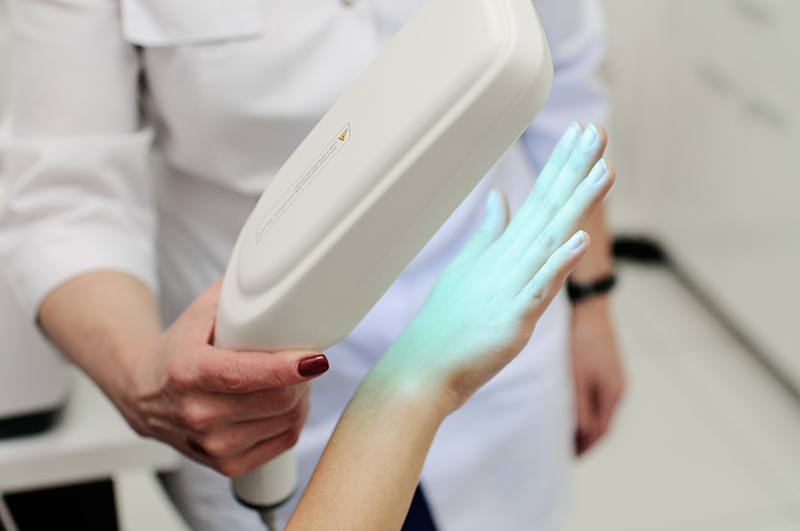
By understanding how dermatologists plan and deliver this treatment, patients can feel more informed and reassured when considering phototherapy as part of their eczema management plan.
Initial Assessment Before Phototherapy
Before phototherapy begins, a dermatologist performs a thorough assessment to determine whether the treatment is suitable and how it should be tailored. This evaluation helps ensure both safety and effectiveness. Phototherapy is often considered when topical therapies have not proved effective in addressing persistent skin conditions, including eczema.
During the assessment, the dermatologist typically:
During the assessment, the dermatologist typically:
- Reviews the severity and distribution of eczema across the body
- Considers skin type and tone to determine safe ultraviolet exposure levels
- Discusses the patient’s medical history, including other skin conditions or sensitivities
- Evaluates previous and current eczema treatments and how the skin responded
- Identifies possible triggers or lifestyle factors that may influence results
- Determines the most appropriate type of UV light, starting dose and treatment schedule
This structured assessment allows the treatment plan to be customised to the individual’s condition while minimising risks and supporting better outcomes.
What Happens During an Eczema Phototherapy Session?
A phototherapy session follows a structured and closely supervised process to ensure safety and comfort. While the exact setup may vary depending on the type of equipment used, the session generally includes the following steps:
- Preparation: After check-in, the patient changes into appropriate clothing. Protective goggles are worn to shield the eyes from ultraviolet (UV) light.
- Protecting Sensitive Areas: To protect the skin, areas not requiring treatment are covered or shielded to reduce unnecessary UV exposure.
- Positioning: The patient is positioned in a medical-grade UV light cabinet or under targeted phototherapy equipment, depending on the treatment plan.
- UV Light Exposure: The UV light is activated for a carefully prescribed duration, usually ranging from a few seconds to several minutes.
- Monitoring: A dermatologist or trained technician monitors the session to ensure the skin is responding appropriately and the patient remains comfortable.
- Adjusting Exposure: In subsequent sessions, exposure time may be adjusted gradually based on how the skin responds to treatment.
- Aftercare Guidance: Once the session ends, the patient exits the unit and receives post-treatment advice, such as moisturising the skin and using sun protection as recommended.
Throughout this process, your dermatologist closely monitors each step and helps ensure phototherapy is delivered safely.
Aftercare and Side Effects of of Eczema Phototherapy
After phototherapy, some patients may notice mild redness, warmth or dryness in the treated areas. These effects are usually temporary. Proper aftercare helps protect the skin, minimise irritation and support recovery between sessions.
Recommended aftercare measures include:
Recommended aftercare measures include:
- Moisturising Regularly: Use gentle, fragrance-free creams or ointments to maintain skin hydration and reduce dryness.
- Protecting the Skin From Sunlight: Limit direct sun exposure after treatment and apply sunscreen when outdoors, as advised by your dermatologist.
- Avoiding Irritating Products: Refrain from using harsh soaps, scrubs or exfoliants that may increase skin sensitivity.
- Following Prescribed Skincare Routines: Continue using any medicated creams or treatments recommended by your dermatologist, unless advised otherwise.
- Monitoring Skin Reactions: Observe the treated areas for unusual redness, blistering or discomfort and report any concerns promptly..
Results and Follow-Up After Phototherapy
Phototherapy for eczema usually shows gradual improvement over several sessions. Results can vary depending on the severity of eczema and skin type. Regular follow-up appointments with the dermatologist are essential to monitor progress.
During these visits, the doctor may:
During these visits, the doctor may:
- Assess how well your skin is responding to treatment
- Adjust the frequency or duration of sessions if needed
- Recommend additional topical or systemic treatments to maintain results
- Check for any side effects or skin reactions to ensure safety
Once eczema symptoms are under control, the dermatologist may reduce the number of phototherapy sessions or stop treatment entirely.
Consider Practical Factors & Comfort
Practical considerations such as clinic location, appointment availability and insurance coverage can affect how easily you access care over time. Consistent follow-up is often important for eczema management, so you will likely need to visit the same clinic regularly.
Feeling comfortable with your doctor also matters, in order to establish open communication regarding your symptoms, treatment options and concerns. Together, these factors contribute to more effective long-term eczema care.
Feeling comfortable with your doctor also matters, in order to establish open communication regarding your symptoms, treatment options and concerns. Together, these factors contribute to more effective long-term eczema care.
Eczema Phototherapy in Singapore With Specialist Skin Clinic
Managing eczema often requires more than short-term relief, especially when symptoms affect daily comfort and quality of life. Phototherapy offers a non-invasive, dermatologist-guided option that focuses on calming inflammation while supporting long-term skin health.
At Specialist Skin Clinic, treatment plans are carefully tailored to each individual, with close monitoring to ensure safety and sustained improvement. Our team, led by consultant dermatologist Dr Cheong Wai Kwong brings extensive experience in managing eczema and other inflammatory skin conditions, helping patients navigate treatment options with clarity and confidence.
At Specialist Skin Clinic, treatment plans are carefully tailored to each individual, with close monitoring to ensure safety and sustained improvement. Our team, led by consultant dermatologist Dr Cheong Wai Kwong brings extensive experience in managing eczema and other inflammatory skin conditions, helping patients navigate treatment options with clarity and confidence.
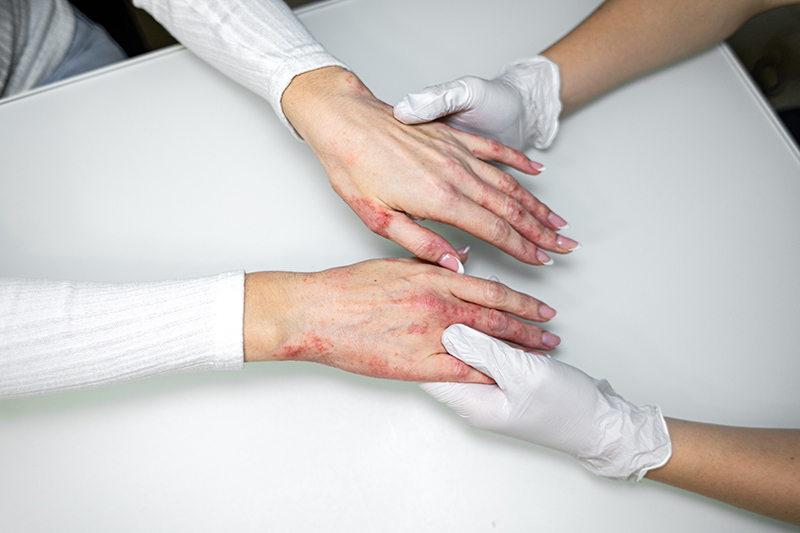
If you are exploring treatment options for eczema and would like to learn more about how phototherapy can help you, contact-us, today to schedule an appointment.
Frequently Asked Questions (FAQs) About Eczema Phototherapy
How many phototherapy sessions are needed?
The number of sessions varies between individuals. Treatment is typically given several times a week over a number of weeks, with adjustments made based on how responsive your skin is to treatment.
Is phototherapy safe for long-term use?
When appropriately prescribed and monitored by a dermatologist, phototherapy is generally regarded as a safe treatment option. Your dermatologist will closely monitor the condition of your skin and help mitigate side effects.
Can phototherapy be used together with other eczema treatments?
Yes. Phototherapy is often combined with moisturisers and topical medications as part of a comprehensive eczema management plan.
Is phototherapy suitable for all skin types?
Phototherapy can be used for different skin types, but treatment settings are carefully adjusted by the dermatologist to ensure safety and effectiveness.
Will eczema return after phototherapy stops?
Phototherapy can be used for different skin types, but treatment settings are carefully adjusted by the dermatologist to ensure safety and effectiveness
With appropriate treatment, it is entirely possible to lead a good quality of life with eczema.
We welcome you to drop by for a detailed and personalised assessment.
Thank you for choosing Specialist Skin. Please fill up the form below and we will get back to you as soon as possible.

1 Grange Road #06-04, Orchard Building,
Singapore 239693
Singapore 239693
Mon - Fri : 8:30am - 5:00pm
Sat : 8:00am - 1:00pm
Sat : 8:00am - 1:00pm
Closed on Sundays and public holidays
Blogs